Zero waste accessories · 12/06/2026
Nocturnal cell regeneration is real and measurable. What you do before sleeping can amplify or sabotage it.

What happens to your skin between 11pm and 4am
The secretion of melatonin and growth hormone peaks between 11pm and 2am. These hormones trigger a significant increase in cell renewal — up to 3 times faster than during the day. Skin repairs itself, produces collagen, and absorbs the actives applied in the evening skincare routine far more effectively.
Why sleeping with make-up is worse than you think
One night with make-up measurably accelerates skin ageing. Foundation traps the pollution particles collected during the day against the skin, blocks pores during the hours when they should be "clearing", and prevents sebum from circulating normally. A single night can require several days of recovery for the skin.
The pillowcase: a neglected contact surface
Your skin spends six to eight hours every night in direct contact with your pillowcase. In conventional cotton, this surface accumulates sebum, dead cells and skincare residue over a few nights. Changing your pillowcase twice a week instead of once has a real effect on blemish frequency, especially on cheeks and chin.
Which evening products maximise regeneration
Evening is the ideal time for powerful actives: retinol, AHAs, high-concentration vitamin C. These ingredients are photosensitive or photo-degradable, making them ineffective or counterproductive when applied in the morning. In the evening, under the effect of accelerated metabolism and without UV exposure, their effectiveness is multiplied.
Body lotion: the underused night gesture
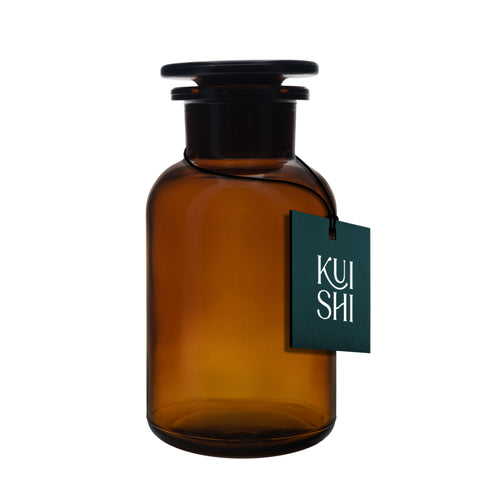
Applying a moisturising lotion to the body just after the evening shower, before bed, is one of the most effective and most underestimated beauty gestures. Skin absorbs better at night, and the body represents 95% of the skin surface. A good pump bottle within easy reach after the shower — like those from Kuishi, designed not to drip and to dose precisely — makes this gesture fluid and regular.
Bedroom temperature affects nocturnal skin quality
A room that is too warm disrupts the nocturnal hormonal cycle. The ideal temperature for sleep and skin regeneration is between 16 and 19 degrees Celsius. Above 22 degrees, the body struggles to enter deep sleep, and growth hormone production is reduced as a result.
The evening screen: the skin enemy in your pocket
Blue light from screens suppresses melatonin secretion. This is not just a sleep issue — it is a skin issue. Less melatonin means less nocturnal regeneration. Reducing screen exposure in the hour before bed is probably the most effective long-term skin improvement gesture you can make — and it costs nothing.


Comments
Be the first to comment.
Log in to participate