Proteins & Recovery · 12/06/2026
You could optimise every aspect of your training and nutrition and still underperform if you are missing what the body does during deep sleep. Here is what that is.

Growth hormone and the sleep window
The majority of daily growth hormone secretion occurs in the first few hours of sleep, concentrated in slow-wave (deep) sleep cycles. Growth hormone drives protein synthesis, promotes fat oxidation, supports connective tissue repair and contributes to immune function. An athlete who sleeps 5 to 6 hours per night is not just less rested — they are biologically unable to access the anabolic stimulus that adequate deep sleep provides.
Muscle protein synthesis during sleep
Protein synthesis continues during sleep, but at a rate limited by amino acid availability in the bloodstream. Studies measuring muscle protein synthesis across the night find it significantly lower than daytime rates, primarily because the overnight fast depletes circulating amino acids. Pre-sleep protein intake — specifically slow-digesting casein or glutamine — extends anabolic availability through the night, increasing the synthesis rate measurably versus an overnight fast.
Testosterone and LH pulsation at night
In men, the majority of testosterone is secreted during sleep, driven by pulsatile luteinising hormone release from the pituitary gland. These pulses are concentrated in the early morning hours. Disrupted sleep — even one poor night — measurably reduces the testosterone pulse amplitude and total overnight secretion. Over chronic sleep restriction, testosterone levels fall significantly and cortisol rises, creating a hormonal environment that works directly against muscle retention and growth.
The gut during sleep: repair mode
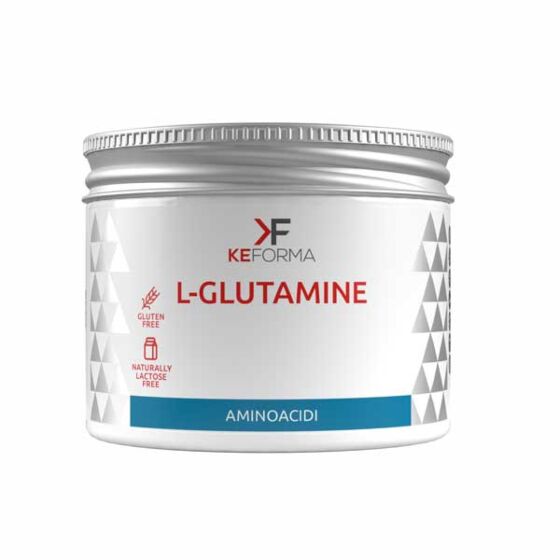
The intestinal lining undergoes its most intensive repair and regeneration during sleep, when blood flow to the gut increases and digestive demands are minimal. Glutamine — the primary fuel for intestinal epithelial cells — is drawn from muscle stores during periods of insufficiency, including overnight fasting. Pre-sleep glutamine supplementation supports gut repair without interrupting the hormonal processes that make sleep valuable for muscle, and Keforma's L-Glutamine provides a clean, unflavoured option for this purpose.
Sleep quality versus sleep quantity
Eight hours of fragmented, light sleep is physiologically inferior to six hours of deep, consolidated sleep. Sleep quality is determined by how much time is spent in slow-wave and REM stages, which are most dense in the first and second sleep cycles respectively. Blue light exposure in the evening, alcohol, high-dose stimulants taken too late, and high room temperatures all reduce slow-wave sleep specifically — the stage most important for growth hormone secretion.
The compounding debt of poor sleep
Sleep deprivation is cumulative in its effects on recovery, hormone levels and neuromuscular performance. A week of 6-hour nights produces deficits comparable to one or two nights of total sleep deprivation in some cognitive and performance metrics. These deficits do not fully resolve with a single recovery night — the physiological debt from weeks of insufficient sleep requires weeks of adequate sleep to clear.
Practical sleep hygiene for athletes
Consistent sleep and wake times matter more than total hours in most research on athletic performance. The circadian rhythm regulates hormone secretion timing, and irregular schedules desynchronise it. Targeting 7 to 9 hours in a dark, cool room (16 to 18 degrees Celsius), avoiding caffeine after 2pm and screens in the final hour, and considering pre-sleep protein or glutamine are the most evidence-based interventions available.


Comments
Be the first to comment.
Log in to participate