Zero waste accessories · 12/06/2026
Sudden dryness, changing pores, evolving texture — understanding what is happening is the first step to adapting.

The drop in oestrogen, directly readable on skin
Oestrogens stimulate the production of collagen, natural hyaluronic acid and sebum. When their levels fall, skin loses density, hydration and sometimes comfort all at once. This process often begins several years before the official menopause, during perimenopause.
Sudden dryness: the most common symptom
People who had oily or combination skin their whole lives can find themselves with dry skin within a few months. This abrupt change is often wrongly attributed to a seasonal shift or product change. In reality, it is an endocrine adaptation that requires a complete update of the routine.
What actually works on menopausal skin
Ceramides, low-concentration retinol, peptides and low-molecular-weight hyaluronic acid moisturisers are the most evidence-based actives for skin after 50. SPF remains essential — mature skin is more vulnerable to pigmentation spots. Generic "anti-ageing creams" with many undocumented ingredients are often less effective than targeted formulas.
The body, often forgotten
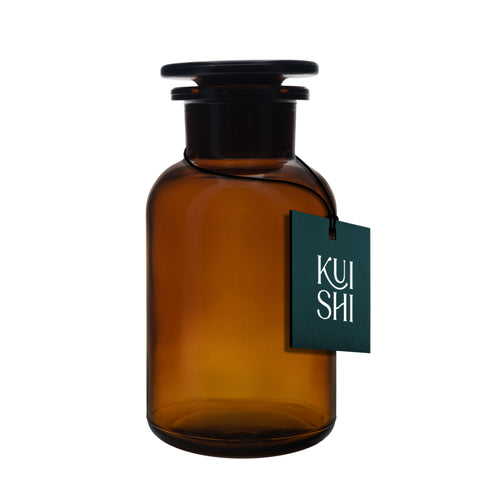
Body skin changes as much as facial skin at menopause. Arms, legs, hands — these peripheral areas lose density and suppleness. A rich body lotion, applied regularly on damp skin after the shower, is one of the most effective gestures. Having a convenient bottle in your shower routine — within easy reach, well-dosed — increases application frequency without effort.
Supplements: which ones are genuinely useful
Oral hydrolysed collagen has serious studies behind it for improving skin elasticity and hydration. Vitamin D, often deficient after 50, has a direct impact on the strength of the skin barrier. Both supplements, with medical advice, can effectively complement topical skincare.
The prejudices around mature skin
Skin after 50 is not "old" — it is different. It can be luminous, comfortable, healthy and pleasant to inhabit. What changes is the method: fewer aggressive actives, more nourishment, a gentler and more consistent routine. Age is not a defect to correct; it is a state to maintain intelligently.
Editing your bathroom
Menopause is often a good moment to completely reassess your bathroom: remove what no longer matches your current needs, adopt gentler products, switch to containers that do not contaminate formulas. A simplified bathroom, where each product has its place in a quality container, is also a way of looking after yourself with kindness.


Comments
Be the first to comment.
Log in to participate