Soap dispensers · 12/06/2026
Endocrine disruptors, BPA, phthalates — the plastic bottles in your shower deserve a closer look.

What a plastic bottle actually contains
Plastic is not an inert material. Depending on its composition, it can release chemical compounds into what it contains — especially when exposed to heat, light or alcohol or oil-based formulas. This is exactly what happens in a shower-heated bathroom where bottles sometimes sit for years.
BPA: the most famous is not the only one
Bisphenol A has received wide media coverage and is now banned from many food containers. But its substitutes — BPS, BPF — have similar effects on the hormonal system and are present in most plastics labelled "BPA-free". The label is therefore largely misleading.
Phthalates in your gels and shampoos
Phthalates are used to make plastics flexible and to fix fragrances in cosmetics. They are recognised endocrine disruptors and can be absorbed through the skin. They are found in many shower gels, shampoos and lotions stored in soft or semi-rigid packaging.
Heat accelerates migration
A shower gel bottle left in direct sunlight or exposed to daily shower steam migrates more compounds into its formula than one kept at stable room temperature. This is a variable most cosmetics safety tests do not account for, since they evaluate formulas at consistent ambient temperature.
Glass: a zero-compromise alternative
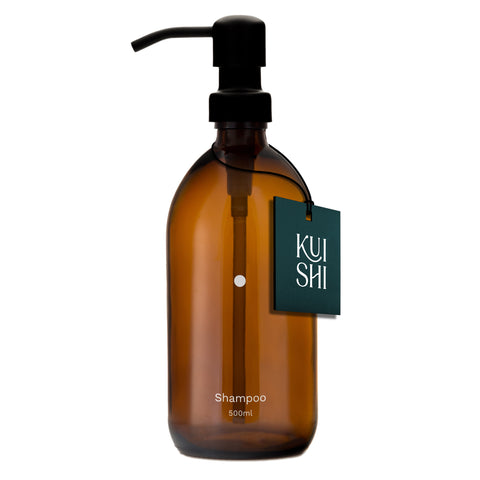
Glass is chemically inert: it releases nothing into its contents, whatever the temperature. A glass dispenser like those from Kuishi can be used to store any skincare product — oil, lotion, soap — without any risk of migration. This is the primary reason to switch to glass containers, beyond the aesthetics.
Which plastics are least problematic
HDPE plastics (code 2) and PP (code 5) are considered the least concerning in terms of migration. PVC (code 3) and polystyrene (code 6) should be avoided as a priority. These codes are usually found at the bottom of the bottle inside a recycling triangle.
Changing gradually, not all at once
Switching to glass or stainless steel containers requires a few initial purchases, but it is not a radical change to make all at once. Start with hand soap — the most used product and the simplest to transfer — then shower gel, then shampoo. Each step is independent and can take place over several months.


Comments
Be the first to comment.
Log in to participate