Proteins & Recovery · 12/06/2026
Training hard is only half the equation. What you do in the 48 hours that follow determines whether you actually get stronger — or just tired.

The myth of the post-workout shake
The idea that you have a narrow 30-minute anabolic window to consume protein after training has been largely overstated. What matters far more is the totality of your nutrition over the 24 to 48 hours that follow. The muscles you worked are still under construction well into the next day — protein synthesis remains elevated for up to 48 hours after a challenging resistance session.
Why sleep is the real performance drug
Growth hormone secretion peaks during slow-wave sleep, typically between 11pm and 2am. During this window the body undertakes the majority of muscle tissue repair. What you eat before bed genuinely matters: slow-digesting protein and glutamine taken in the evening extend the anabolic state into the night. The athletes who recover fastest are rarely the ones with the best training programme — they are the ones who protect their sleep.
Inflammation: your recovery is only as good as your management of it
Some degree of post-exercise inflammation is productive — it signals the body to rebuild stronger. But when inflammation persists beyond 24 to 36 hours, it starts working against you. Chronic low-grade inflammation from overtraining, poor diet or insufficient sleep blunts the hypertrophic response and raises injury risk. Cold water immersion, contrast showers and anti-inflammatory nutrition all play a measurable role in resetting this.
The amino acid most athletes ignore
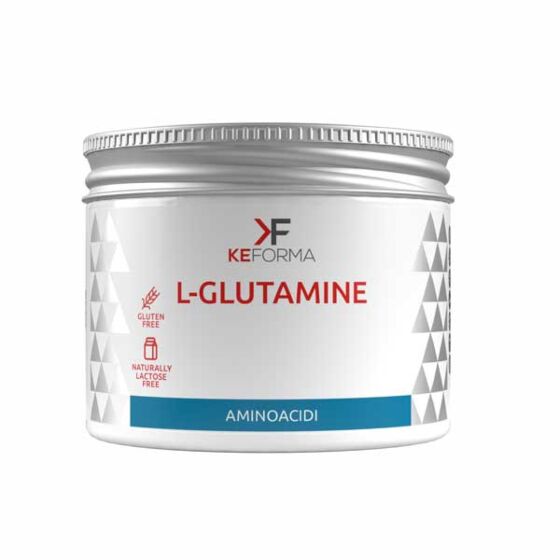
While protein intake gets all the attention, glutamine is quietly one of the most important compounds for recovery. It is the most abundant amino acid in muscle tissue and is heavily depleted by intense training. Supplementing with glutamine after hard sessions supports gut integrity, immune function and glycogen restoration — three things that directly affect how ready you feel for the next workout. A clean, well-dosed formula like those from Keforma makes this a simple daily habit.
Carbohydrate timing after endurance training
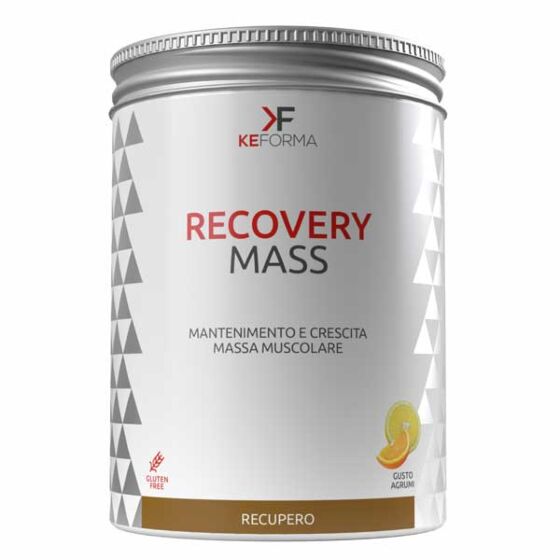
Endurance athletes deplete muscle glycogen at a rate that pure protein cannot address. Restoring glycogen in the 2 to 4 hours post-training — ideally with a fast-absorbing carbohydrate combined with protein — significantly reduces the soreness and fatigue felt the following day. Recovery-specific formulas designed around both macronutrients handle this efficiently without requiring you to calculate ratios.
Hydration and the electrolytes nobody tracks
A 2% drop in body water is enough to impair both physical performance and cognitive function. Post-training rehydration is rarely complete after a single bottle of water — you need to replace not just fluid but the sodium, potassium and magnesium lost through sweat. Many athletes train twice a day in a state of mild dehydration they never fully resolve, compounding fatigue week on week.
The most underrated recovery protocol
Doing nothing is not a recovery strategy. Active recovery — a 20-minute walk, light mobility work, foam rolling — maintains circulation to damaged muscle tissue and accelerates the removal of metabolic waste. Combined with adequate protein intake, sleep optimisation and targeted supplementation, it represents the most cost-effective performance investment most athletes overlook completely.


Comments
Be the first to comment.
Log in to participate