Proteins & Recovery · 12/06/2026
Fatigue that does not resolve with rest is not a sleep problem. It is a nutrition and physiology problem. Here is how to diagnose it.

Residual fatigue: the signal most athletes misread
Persistent heaviness in trained muscles, reduced motivation to train, and performance that plateaus despite consistent effort are the three hallmarks of residual fatigue. Most athletes blame their sleep. Rarely is sleep the root cause. The underlying issue is almost always a mismatch between training load and nutritional support — particularly in the amino acid and micronutrient categories.
The central nervous system takes longer than your muscles
Muscle tissue repairs within 48 to 72 hours under normal conditions. The central nervous system — which coordinates force production and motor patterns — takes considerably longer to recover from maximal-intensity efforts. This is why strength athletes who train to failure multiple times per week often feel worse over time, not better: the CNS debt accumulates faster than they can repay it.
Low-grade iron deficiency: the performance thief nobody checks for
Iron-deficiency anaemia is easily detected. Sub-clinical iron depletion — ferritin levels low enough to impair oxygen transport and mitochondrial function, but not low enough to register as anaemia — is far more common in active populations and almost never tested. Symptoms are identical to overtraining: fatigue, elevated resting heart rate, reduced aerobic output. A simple ferritin blood test costs less than a training session.
Amino acid depletion in high-frequency training
Athletes training five or more times per week deplete essential amino acids at a rate that dietary protein alone often struggles to replace, particularly if overall calorie intake is restricted. A deficiency in essential amino acids — especially leucine, isoleucine and the full spectrum covered by a product like Keforma's Essential Amino 11 Pro — limits protein synthesis regardless of how much total protein is consumed.
The gut-recovery connection
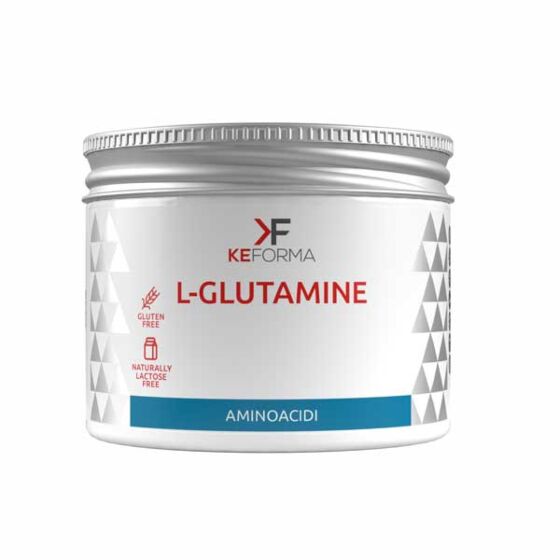
The intestinal lining is one of the most metabolically active tissues in the body. Intense exercise temporarily compromises gut barrier function, increasing intestinal permeability and systemic inflammatory load. Glutamine is the primary fuel for intestinal epithelial cells and plays a central role in maintaining gut integrity during periods of heavy training. Depleted glutamine levels translate directly into slower recovery and elevated inflammation.
Overreaching vs overtraining: knowing the difference matters
Overreaching is a temporary state of accumulated fatigue that resolves with a week of reduced load. Overtraining is a systemic condition that can take months to reverse. The line between the two is thin and primarily nutritional. Athletes who eat aggressively during high-load phases rarely tip into overtraining; those who restrict calories while training hard almost always do.
How to break the cycle
The most effective recovery protocol is not more sleep or more massage. It is eating more — specifically more high-quality protein and essential amino acids distributed consistently across the day. Most athletes who feel chronically under-recovered are eating well below their energy needs. Fixing this single variable produces results within 7 to 10 days that months of training changes would not.



Comments
Be the first to comment.
Log in to participate