Amino Acids & BCAAs · 12/06/2026
Glutamine does not produce an acute performance buzz. It does not cause visible muscle gain in the short term. What it does is protect the infrastructure that makes training sustainable.

The most abundant amino acid you have never thought about
Glutamine is the most abundant amino acid in human muscle tissue and blood plasma. It serves as a nitrogen carrier between tissues, a primary fuel source for rapidly dividing cells (intestinal epithelium, immune cells, fibroblasts), and a precursor for gluconeogenesis and antioxidant synthesis. Under normal conditions, the body synthesises sufficient glutamine from other amino acids. Under the conditions of intense training, it cannot always keep up.
Why training depletes glutamine faster than diet replaces it
Intense exercise triggers a significant and sustained drop in plasma glutamine concentration — sometimes lasting 24 to 48 hours post-training. This depletion drives the body to break down muscle tissue to liberate glutamine for immune and gut functions, creating a catabolic environment that persists until the deficit is resolved. Athletes training twice daily or at high volumes are most susceptible to this cycle.
The gut: glutamine's first priority
The cells lining the intestinal wall — enterocytes — divide rapidly and use glutamine as their primary energy substrate. During periods of stress, high training load or caloric restriction, the intestinal barrier becomes more permeable, allowing bacterial products to enter the bloodstream and triggering systemic inflammation. Glutamine is the primary nutrient that supports tight junction integrity in the gut lining. A depleted gut barrier is a direct contributor to the post-training inflammation and immune suppression that characterise overtraining syndrome.
Immunity and the overtraining connection
The immune suppression observed in athletes during periods of very high training load — the open-window period of increased respiratory infection susceptibility immediately post-intense exercise — is associated with reduced lymphocyte glutamine availability. Immune cells depend on glutamine for proliferation and antibody production. Athletes who supplement glutamine during high-load training phases report fewer illness episodes; the mechanism is well-understood and the evidence is sufficient to make it a reasonable practice.
Glycogen replenishment: an underappreciated secondary role
Glutamine can contribute to glycogen resynthesis through gluconeogenesis, providing a secondary pathway for glycogen restoration in the post-exercise period alongside dietary carbohydrate. The contribution is modest but meaningful for athletes who train frequently: it represents an additional mechanism through which glutamine depletion slows the rate of recovery between sessions.
Dosing and timing for athletes
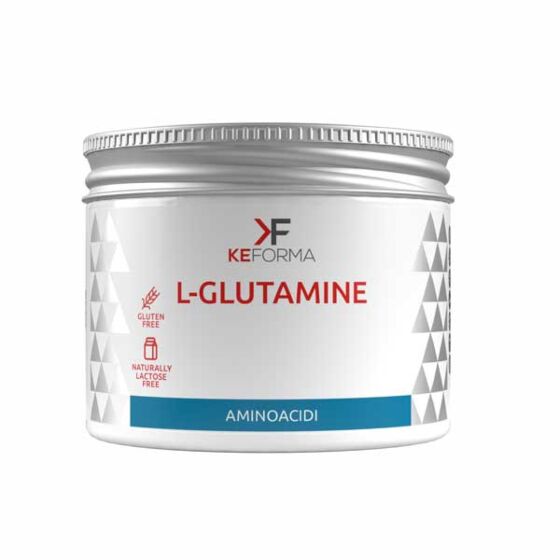
A daily intake of 5 to 10 grams is the most commonly studied dose, typically divided between post-training and pre-sleep. The pre-sleep dose is particularly useful given the intestinal repair processes that occur during slow-wave sleep. A clean, unflavoured product like Keforma's L-Glutamine dissolves easily and can be mixed into a post-training shake or taken in water without altering its properties. There is no taste concern and no timing precision required beyond daily consistency.
The supplement that nobody talks about
Glutamine does not produce any acute sensation. It does not improve a single training session in a noticeable way. Its benefits are cumulative and protective: fewer sick days, maintained gut health during heavy training, sustained recovery rate over weeks. For the athlete focused on training year-round without disruption, it is one of the most sensible additions to a supplement protocol — precisely because it works in the background rather than producing the obvious, attributable effect that marketers prefer.


Comments
Be the first to comment.
Log in to participate